| Client | McDermott International (for North Oil Company) |
| Project | Ruya Phase 3.1 Batch 1 – PreFEED |
| Sector | Energy, Chemicals & Resources |
| Services | FEL2b Concept Definition |
| Location | Qatar |
Objective
To mature and optimise the Al Shaheen Field Phase 3.1 (Ruya Batch 1) development concept into a sanction-ready Basis of Design, enabling a robust transition into FEED and supporting North Oil Company’s objective to sustain and extend the 300 kbbl/d production plateau at Al Shaheen. io provided PreFEED Delivery Leadership & Decision Structuring.
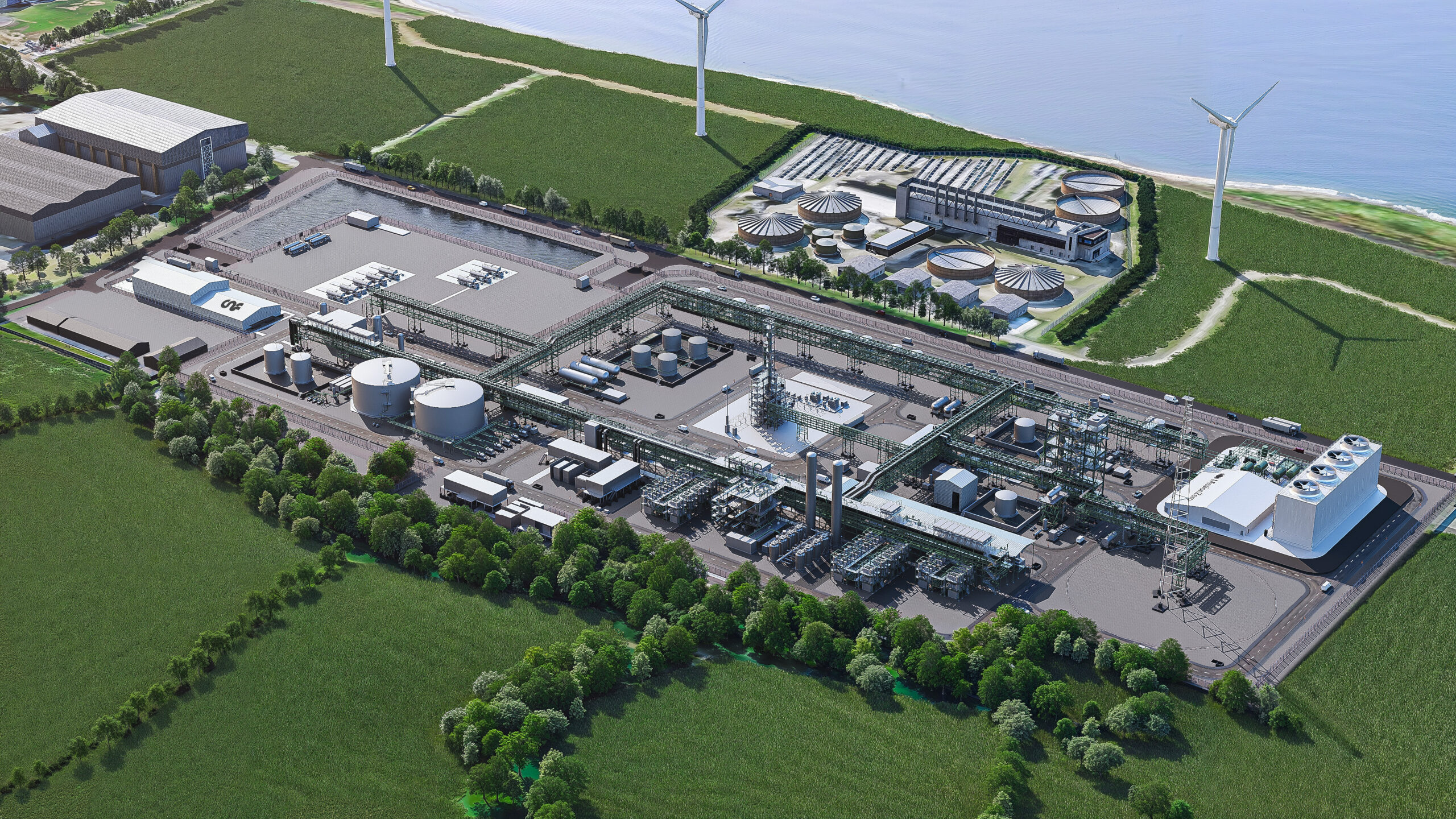
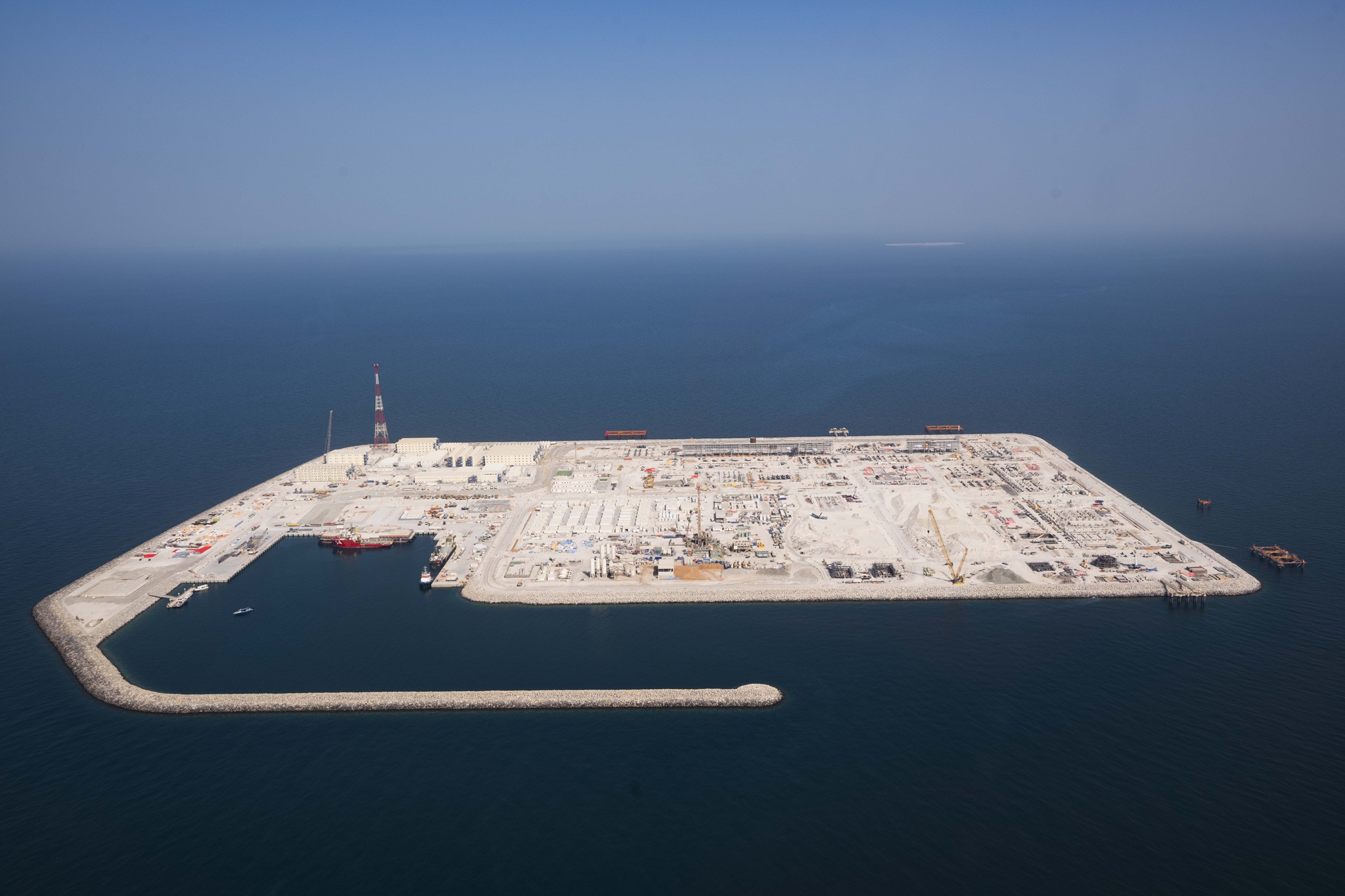
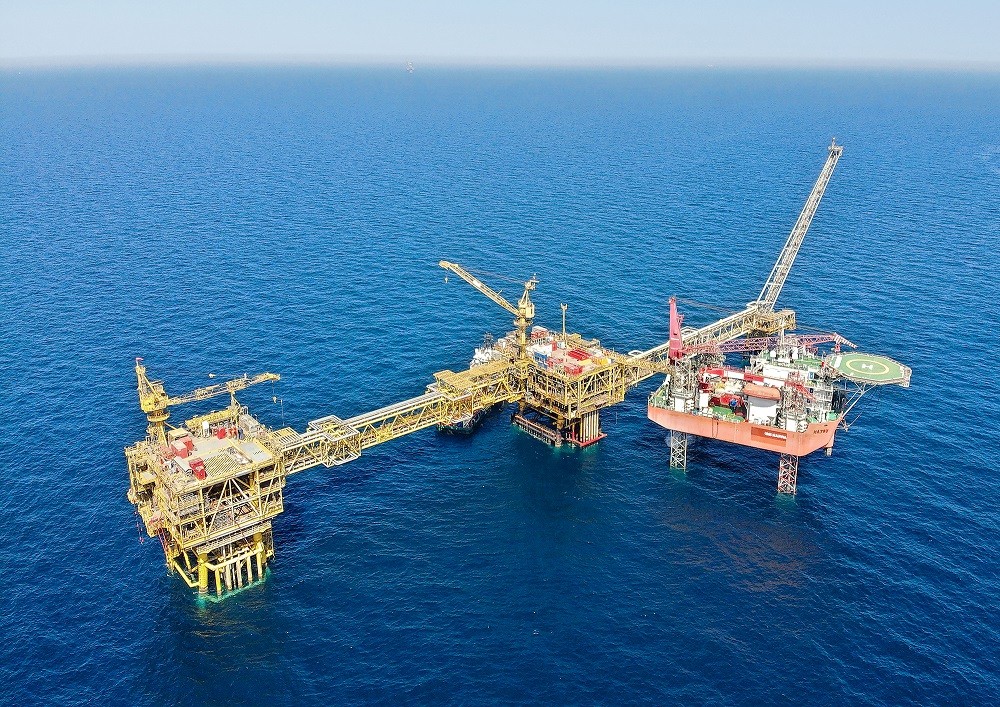
PreFEED was not treated as a drawing advancement exercise. The objective was to eliminate uncertainty, test alternatives rigorously and define a technically and commercially defensible development basis capable of withstanding detailed engineering and execution scrutiny. (image courtesy of North Oil Company).
Project Scope
The PreFEED phase covered a significant offshore brownfield and greenfield development, including:
- A new Central Processing Facility (CPF)
- Riser Platforms
- Flare Platform
- Up to 12 new Wellhead Platforms (WHPs)
- Subsea pipelines and composite cables
- Brownfield integration at B Location
- Early production architecture
Delivery was executed within McDermott’s global engineering platform, leveraging extensive live execution intelligence from offshore FEED and EPCI projects worldwide. This provided real-time insight into fabrication productivity, installation constraints, vessel envelopes, weight growth behaviour and supply chain realities.
The differentiator on Ruya was that this execution intelligence was intentionally embedded into FEL decision-making from day one, rather than applied retrospectively during EPC. io structured the PreFEED around this “right-to-left” philosophy, anchoring concept definition to project objectives and minimum standards while deliberately factoring in fabrication, transport, installation and schedule realities.
io held leadership responsibility for PreFEED delivery quality and integration, fulfilling the Project Manager role across McDermott and the multi-discipline team. In parallel, io led the optimisation and sensitivity studies using its structured Decision Quality framework, ensuring alternatives were deliberately framed, tested and evaluated against explicit value drivers.
Core concept maturation areas included:
- Processing capacity validation
- CPF configuration philosophy
- Fully rated versus separated WHP concepts
- Early production routing strategy
- Utility adequacy at B Location
- Brownfield feasibility and shutdown exposure
Beyond validation, io structured a disciplined optimisation programme covering:
- WAG facility integration options
- Distributed versus centralised water disposal
- Power generation strategy at B Location
- WHP processing philosophy
- Riser platform configuration
- CPF maximum capacity sensitivities
- Remote monitoring philosophy
- Centralised chemical injection
- Inline separation allowances
- LP gas routing from DC05 to E location
- Construction sequencing impacts
Each decision followed a transparent process:
- Clear framing of the decision and its implications
- Identification of credible alternatives
- Definition of explicit value drivers (capital efficiency, operability, weight, installability, schedule risk, lifecycle performance)
- Development of sufficient techno-commercial definition for comparison
- Testing against execution constraints
- Documented and defensible recommendation
Safety, environmental and technical integrity were embedded from the outset. Hazard Analysis, Environmental Identification, Reliability Availability and Maintainability assessments, and Energy Efficiency evaluations were integrated directly into concept maturation rather than treated as compliance exercises. Mitigations were designed into the facilities early, reducing redesign risk entering FEED and strengthening overall technical integrity.
Where justified, io constructively challenged legacy standards and secured Technical Authority approval for controlled derogations, ensuring optimisation occurred within formal governance rather than informal compromise.
Key Outcomes
- A sanction-ready and defensible Basis of Design aligned with production objectives and minimum standards
- An optimised and standardised WHP philosophy suitable for phased field roll-out and long-term scalability
- Structural and topsides configurations defined with clear visibility of fabrication, transportation and installation constraints
- A validated early production architecture integrated with brownfield realities at B Location
- Transparent trade-off documentation and clear decision rationale entering FEED
- A credible cost and schedule foundation informed by execution intelligence rather than theoretical benchmarking
- Formalised and approved technical derogations where justified, enabling capital efficiency within controlled governance
io Value Add
The value io brought to Ruya was not incremental, it was fundamental:
- Decision Quality Embedded in FEL: io moved the project beyond precedent-based replication. By structuring alternatives explicitly and linking them to defined value drivers, PreFEED decisions were transparent, evidence-based and defensible.
- Execution-Aware Concept Definition: By integrating McDermott’s live fabrication and installation intelligence into early decision-making, io ensured the concept reflected real execution constraints. Weight growth exposure, transport envelopes, brownfield shutdown windows and vessel availability were factored in before design convergence.
- Cost and Schedule Certainty Anchored in Real Outturn Data: io strengthened confidence in the development basis by grounding cost and schedule expectations with credible regional and global offshore outturn data. By leveraging live execution intelligence, including fabrication performance, installation productivity and weight growth trends, the project’s cost and schedule foundation reflected realistic delivery conditions rather than theoretical benchmarks, materially improving sanction confidence and reducing downstream reforecast risk.
- Governance-Aligned Optimisation: io ensured that optimisation — including justified standards derogations — was embedded within formal approval processes. This protected both capital efficiency and technical integrity.
- Integrated Leadership Across Disciplines: As PreFEED Project Manager, io aligned multi-discipline engineering, stakeholder expectations and production objectives into a coherent development basis, preventing fragmentation between technical, commercial and operational priorities.
- Reduced Redesign Risk into FEED: By embedding safety, environmental, operability and maintainability considerations during concept definition, the Basis of Design entered FEED with materially lower redesign and rework exposure.
Critically, PreFEED materially reduced technical, commercial and execution uncertainty prior to FEL3 FEED sanction, evidenced by smooth peer reviews and stage gate approvals.
The Ruya PreFEED demonstrates the value of embedding structured Decision Quality and execution intelligence at the earliest stages of field development. For complex offshore brownfield expansions, concept maturation must deliberately integrate fabrication, installation and operational realities, not validate them after convergence.
The combined io and McDermott delivery model proved that when FEL is treated as a disciplined decision-shaping phase rather than a drawing-advancement phase, projects enter FEED with stability, resilience and materially greater certainty.
The subsequent stability observed in FEED and EPC is a direct consequence of this structured foundation.