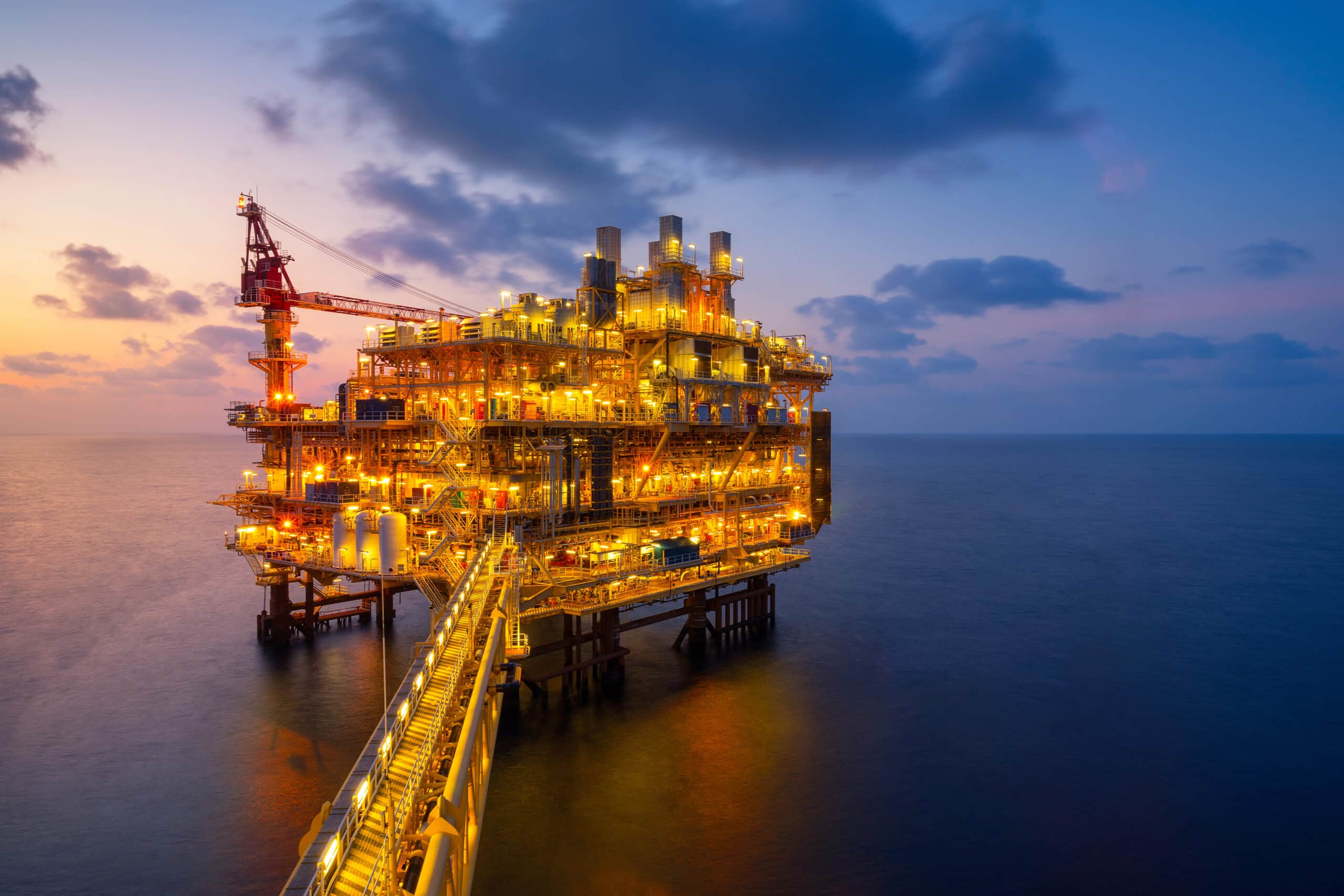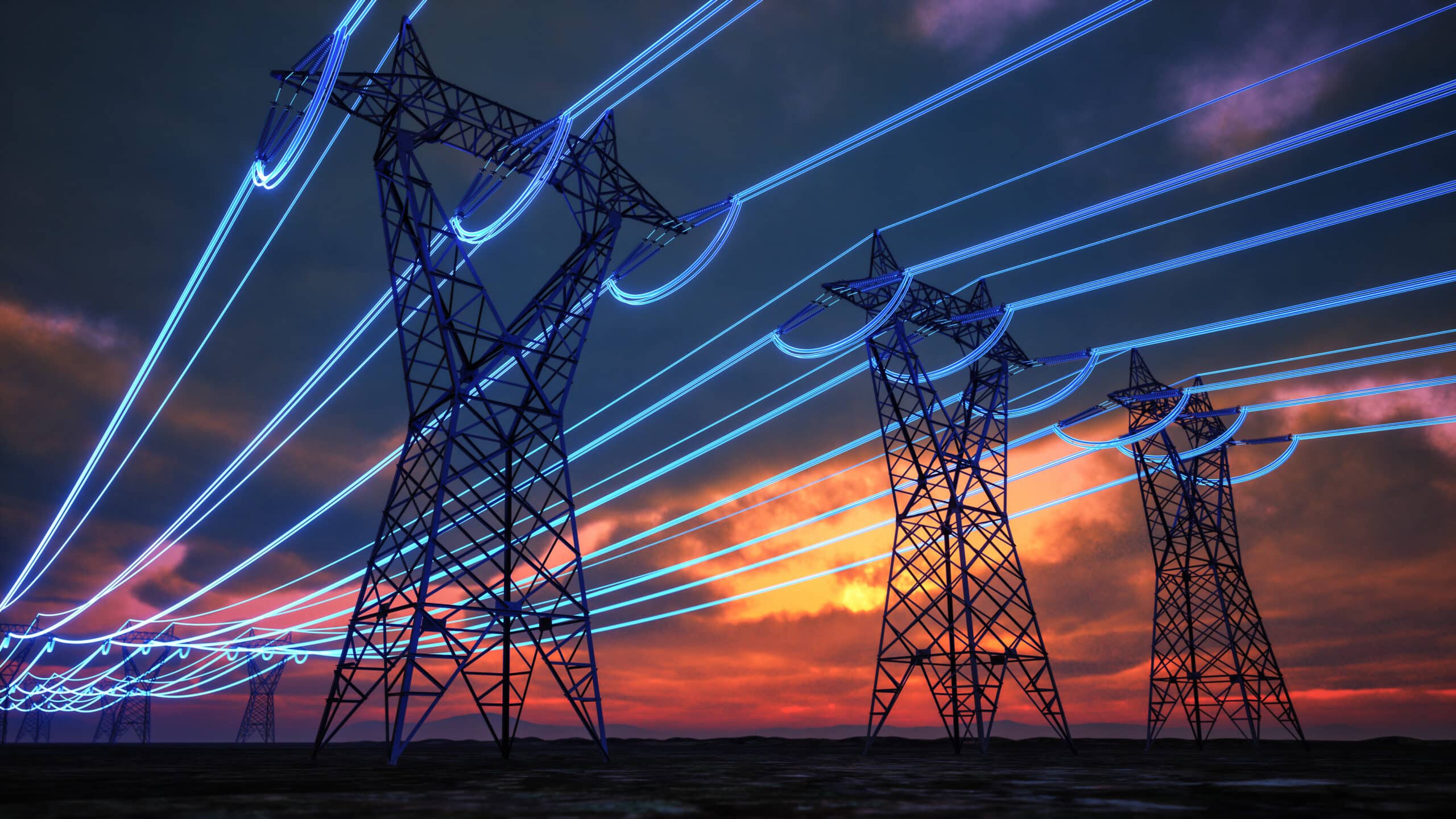
The debate around net zero is often framed in a way that is, at best, incomplete and, at worst, misleading. Much of the public discourse treats oil and gas as though they exist solely to provide energy, fuels to be burned for transport, heating, and power generation. From that perspective, the solution appears relatively straightforward: replace fossil fuels with renewables, electrify everything, and the problem is largely solved.
But this framing misses something fundamental. Oil and gas are not just energy sources; they are also the raw materials that underpin modern civilisation. A significant proportion of hydrocarbons is not burned but transformed into the products that shape everyday life plastics, fertilisers, pharmaceuticals, synthetic fibres, and countless chemical intermediates. These are not peripheral uses. They are foundational. Remove them without viable substitutes and the consequences would be profound: agricultural productivity would collapse without nitrogen fertilisers, healthcare systems would be severely constrained, and modern manufacturing would be fundamentally disrupted.
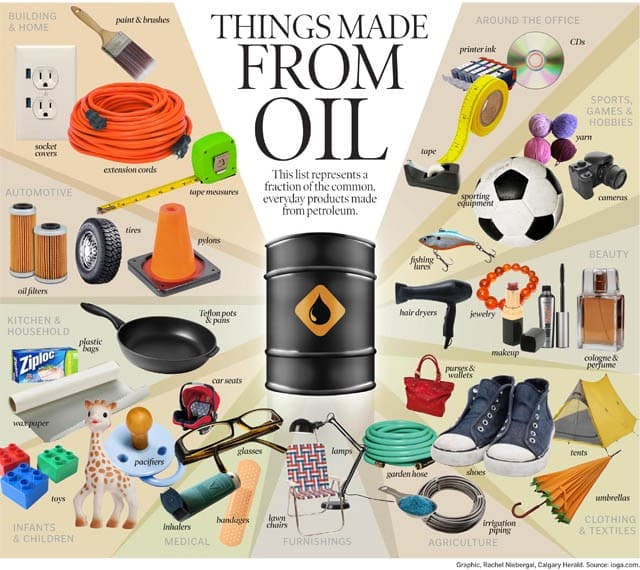
This is the first misconception at the heart of the net zero debate. The challenge is not simply one of energy substitution; it is one of replacing the molecular basis of the global economy. Renewables, for all their strengths, produce electricity – electrons. Yet much of what oil and gas provide to society is not energy but molecules. You can electrify a car or a heating system, but you cannot directly electrify a plastic, a pharmaceutical compound, or a fertiliser. These require chemical building blocks, not just power.
This is why the often repeated notion that scaling up wind, solar, and batteries will solve the problem is incomplete. It addresses only part of the system. Even in a fully decarbonised electricity grid, the need for hydrocarbons, or viable alternatives to them, would remain embedded in the fabric of the economy. The real transition, therefore, is not simply from fossil fuels to renewables. It is from a carbon-based system to something fundamentally different: a hydrogen-enabled, circular carbon
economy.
In such a system, hydrogen becomes the primary energy vector, and carbon is no longer extracted and emitted but either recycled or synthesised. Green hydrogen, combined with captured carbon dioxide, can in principle produce synthetic fuels, ammonia for fertilisers, and a range of chemical products. This is the deeper transition that is required, not just a shift in how we generate electricity, but a complete re-architecture of industrial chemistry, supply chains, and material production. It is, in effect, a redesign of the economic system itself.
Overlaying this structural challenge is a second, equally important distortion in the debate: the idea that net zero is already, or inherently, cheaper. There is a tendency to point to the declining costs of wind and solar generation and conclude that the economics have already tipped decisively in favour of renewables. In narrow terms, this can be true. The levelised cost of electricity from renewables in favourable locations, including the UK with its strong wind resource, can indeed be low.
However, this view is incomplete because it focuses on generation rather than the system as a whole. The true cost of a renewable-based system includes grid reinforcement, balancing intermittent supply, energy storage, backup capacity, and the inefficiencies associated with curtailment and overbuild. These system costs are real, material, and not yet fully reflected in many headline comparisons. Moreover, once the discussion extends beyond electricity into the production of molecules, namely hydrogen, synthetic fuels, and chemicals, additional layers of cost are introduced, often involving energy conversion losses and significant capital investment.
When viewed in this broader context, the uncomfortable truth emerges. Today, if emissions and climate impacts are not priced, burning or converting fossil fuels and releasing carbon dioxide into the atmosphere remains the cheapest option. The infrastructure is already in place, the supply chains are mature, and the energy density of hydrocarbons is unmatched. By contrast, lowcarbon alternatives require new infrastructure, new markets, and often less efficient pathways. They are, in the near term, more expensive.
This is not a political statement; it is an economic reality. And it is this reality that sits at the heart of the slow pace of transition. The world is, in effect, trying to move from a system in which carbon is cheap and emissions are free, to one in which carbon is managed and emissions are constrained. That transition carries a cost, and in the absence of mechanisms to internalise the cost of emissions, the market will naturally favour the incumbent system.
“The world is, in effect, trying to move from a system in which carbon is cheap and emissions are free, to one in which carbon is managed and emissions are constrained.”
Richard Dyson, CEO
There is, of course, a counter-argument, one that points to the long-term costs of climate change and the need for adaptation. These may include physical damage to infrastructure, agricultural disruption, water stress, and broader economic instability. If these costs were fully understood and incorporated into economic decision-making, it is possible that the balance would shift, and that net zero pathways would prove cheaper at a system level over time.
However, this introduces a profound uncertainty. The scale, timing, and distribution of adaptation costs are not known with precision. They are long-term, diffuse, and unevenly borne. As a result, they are not fully reflected in current economic choices. This means that, in practice, decisions continue to be driven largely by near-term costs, where fossil fuels retain a clear advantage.
This creates a structural tension that is rarely acknowledged with sufficient honesty. Short-term economics favour the continued use of hydrocarbons, while long-term risks argue for rapid decarbonisation. Yet most investment decisions, whether by governments or corporations, are made within shorter time horizons. The result is a persistent gap between ambition and delivery.
The implication is clear. The net zero transition is not being held back primarily by a lack of technology. The technologies required, renewables, hydrogen production, carbon capture, and synthetic fuels, either exist or are rapidly maturing. What is lacking is an economic framework that aligns short-term incentives with long-term outcomes. Until the true cost of emissions is internalised, whether through carbon pricing, regulation, or other mechanisms, the transition will continue to face resistance grounded in basic economics.
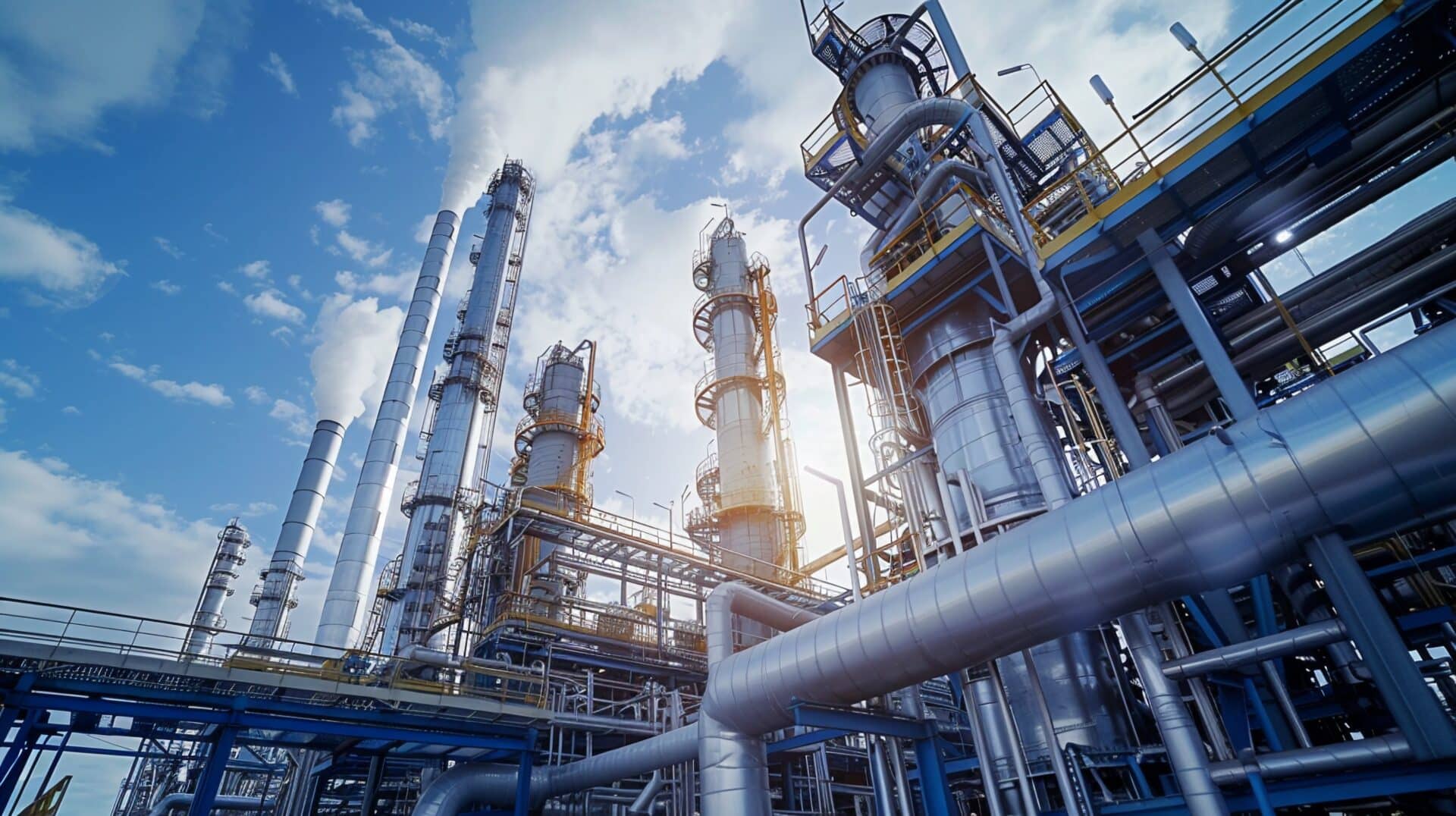
Ultimately, the challenge is far greater than it is often presented. This is not simply an energy transition; it is a whole-economy transformation. It requires rethinking how we produce energy, how we manufacture materials, how we grow food, and how we structure industrial systems.
It demands a shift from an economy built on extracting and emitting carbon to one built on managing hydrogen and circulating carbon within closed loops.
To pretend that this can be achieved quickly, cheaply, or without trade-offs is to misunderstand the scale of the task. The transition is technically possible, but economically and systemically complex. Recognising that reality is not a barrier to progress; it is a prerequisite for making meaningful and durable change.
This is precisely why io is what it is. We were not set up simply to optimise projects within an existing system, but to work at the level where systems themselves are being redefined, across energy, materials, and industrial value chains.
The transition described here cannot be solved within traditional silos of engineering, economics, or policy; it requires an integrated, system-level perspective that connects technology choices to commercial reality and long-term outcomes. io’s role is to operate in that space, helping clients navigate not just the shift from hydrocarbons to renewables, but the far more complex transition from a carbon-based economy to one built on hydrogen, circularity, and new industrial logic. That is inherently more challenging, but it is also where the real value lies.